
Protect Your Home or Business from Flood Risk
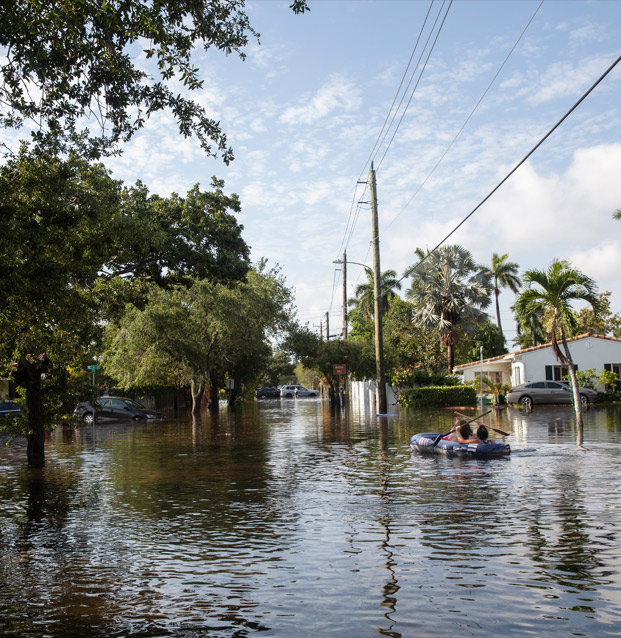
Cape Coral is known for its meandering canals, coastal charm, and waterfront living — but those same features also put properties at high risk for flooding. Many properties are located in high-risk flood areas, which increases the likelihood of flooding and often leads to insurance requirements set by lenders. A large portion of the city falls within FEMA-designated flood zones, making flood insurance not just a good idea, but often a requirement for homeowners and business owners alike.
At Lott & Gaylor Insurance, we provide both NFIP policies and private flood insurance options in Cape Coral to help you protect what matters most. Whether you live near the Caloosahatchee, along one of Cape Coral’s many canals, or in an inland area still prone to stormwater flooding, floods can cause significant damage to your property and possessions. That’s why having dedicated flood insurance is crucial for comprehensive protection — we’ll help you find the right coverage at the right price.
Why Flood Insurance Is Crucial in Cape Coral
Flooding can occur in Cape Coral at any time—not only during tropical storms or hurricanes. In reality, scores of flood claims are reported in lower-lying areas following large rainfalls as well as areas that have drainage system failures with heavy runoff along with the drainage systems not being able to cope. Flooding, even just a few inches, can cause tens of thousands of dollars in damage when there is no protection from flooding. Flooding is a serious risk to Cape Coral homeowners because of its coastal location and weather patterns, and it is critically important that all residents understand their flood risk and whether they need flood insurance. Here are some reasons flood insurance is important for residents of Cape Coral yourself:
Flood Zone Designations: What They Mean for You
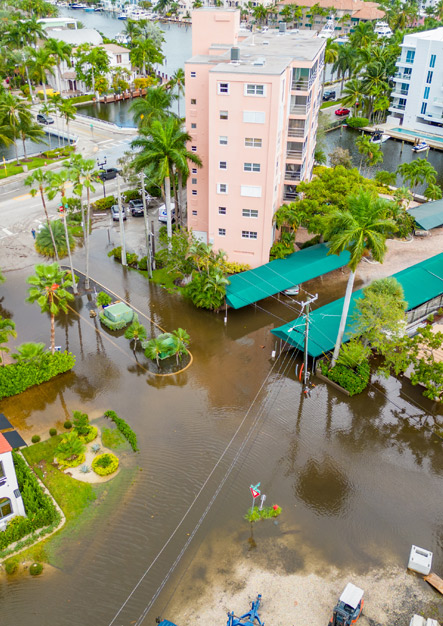
Knowing the flood zone designation for your property is critical to protecting your home or business within Cape Coral. The national flood insurance program (NFIP) utilizes flood zone maps to determine the likelihood of flooding to a particular location. The maps take into consideration specific factors, such as: proximity to water, elevation, and local geography. Flood zones provide a way to know your flood risk, what type of flood insurance will be required, and the premiums you will pay.
If your property is located in a high-risk flood zone—such as a Special Flood Hazard Area (SFHA)—you may be required to purchase flood insurance, and your coverage limits will need to meet specific standards. Properties in these zones face a greater chance of flooding and often have higher insurance costs. Even homes in moderate- or low-risk flood areas will flood, so it is always a good idea to research your flood zone designation and flood insurance options.
By determining your home’s flood zone designation, you can properly assess your exposure, protection level, possibly compare coverage options, and consider taking mitigating steps. Your property’s flood zone designation should be understood to protect what you own and your financial wellbeing in Cape Coral, no matter which flood risk area you are in.
NFIP Policies vs. Private Flood Insurance
At Lott & Gaylor, we support you in reviewing your options to choose the flood policy that suits you best based on your property, budget, and risk. Private flood insurance policies can be tailored to fit your unique situation (location of your property and certain risk factors). To ensure your coverage matches your needs, request a quote today and it will help when reviewing your options for NFIP and private flood insurance.
NFIP Flood Insurance
Private Flood Insurance (Cape Coral)
Whether you choose an NFIP policy or private flood coverage, we’ll help you understand your flood zone, elevation certificate requirements, and premium options.
What Flood Insurance Covers
Flood insurance helps get you back on track, but it covers only damage from rising water and not wind or rain. To be covered for the entire loss, be sure you understand your flood insurance policy. Remember that a flood is defined as “a general and temporary condition of partial or complete inundation of normally dry land.”
Building Property Coverage may include:
Personal Property Coverage (Contents) may include:
Note: Most flood policies do not cover landscaping, pools, vehicles, or temporary housing — but some private flood insurance plans offer enhancements for additional protection.
Coverage Limits: How Much Protection Do You Need?
Selecting your coverage limits under your flood insurance policy is an important step in making sure you protect yourself properly in the event that you experience a flood. The National Flood Insurance Program (NFIP) provides building coverage for up to $250,000 and contents coverage for up to $100,000, which is adequate for many homeowners. However, if the value of your home or contents exceeds those values, you may want to consider private flood insurance, which often has higher coverage limits – sometimes as high as 4 million dollars – thereby adding confidence and financial security.
When determining coverage limits you will want to consider the total cost to rebuild your home, replace your contents, and pay for any additional expenses that may be incurred after the flood. You also want to examine the limits set by your policy(s) deductibles and confirm your understanding of what is covered and what is not, since some items and damages may be excluded from covering, especially regarding the type of damage caused by the flood. You may also want to consider revisiting your coverage periodically since value and costs are subject to change.
Taking the effort to obtain the proper coverage limits will give you the protection you need to recover from any flood damages faster and give you a peace of mind that you can maintain your financial security no matter what the future may hold.
Managing Flood Insurance Premiums
Managing your flood insurance premiums is a crucial part of protecting your property without breaking the bank. Your flood insurance premiums are based on a combination of characteristics, including flood zone, elevation, building type, and the amount of coverage you want.
You may be able to take some actions to help lower your premiums such as putting in flood vents, elevating your building above base flood elevation, or using flood resistant materials when you renovate. Properties in unincorporated Lee County also may receive a discount under the Community Rating System (CRS), which finds communities that actively enforce floodplain management practices and follow hazard protocols, and allows these communities to provide lower insurance rates for their benefit and allow more opportunity to mitigate risk.
As a reminder, sit down at least annually to review your flood insurance policy, limits of coverage and deductibles to ensure you are practicing progressive disaster insurance management looking out for the balance between protecting your property, while finding a cost effective solution. The more diligence you show to your flood assurance, the more you see evidence in cost savings! Private flood insurance may involve more work for you but could be more cost effective and have less restrictive unique coverage options based on your unique situation. Be proactive to make sure you protect yourself from flooding, while considering price.
Flood Insurance for Businesses
Commercial properties in Cape Coral face the same flooding risks as residential ones — and are often more financially exposed. Businesses in nearby Fort Myers also face similar flood risks and insurance requirements.
We offer flood insurance for commercial buildings, including:
If your business is located in a flood zone or you’ve experienced flooding before, let’s talk about affordable options tailored to your property. Specific mitigation measures or policy options may help your business secure lower rates on flood insurance.
Preventing Flood Damage: Tips for Cape Coral Residents
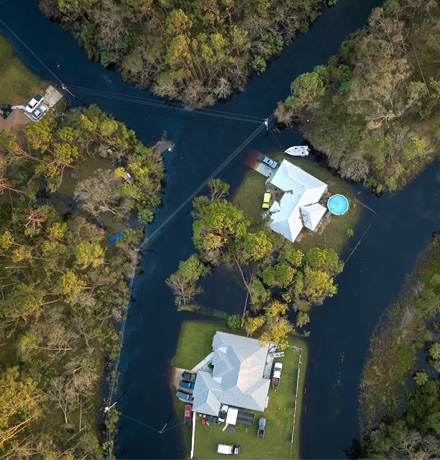
Flood loss mitigation actions are vital for any Cape Coral resident that wants to protect their property and financial assets. First, check if your home or business has the proper drainage system in place, unclogged gutters and downspouts which direct rain water away from your foundation. Flood vents can help direct water under your building during a flood, which can prevent structural damage.
If you own property in a flood prone area, or below base flood elevation, elevating your building or critical utilities will lower the risk of you experiencing flooding. Monitor weather reports and be aware of that flooding forecast that is common to your area. Also, have your emergency plan in writing in case a flood does occur.
By taking these preventive steps, you can eliminate some of your flood risk and damages. To be better informed, meet with knowledgeable insurance agents about your coverage options for flood insurance as well, and determine how much coverage your property may need to be fully protected.
Why Choose Lott & Gaylor?
Lott & Gaylor is an independent local agency and understands Cape Coral flood risks better than most. Waterfront homes, canal-front condos, and even inland businesses all come with their own set of flood risks. We’ve been able to help thousands of Florida property owners with reliable flood coverage. Having a long history with the NFIP and local flood risk data makes our agency uniquely suited to help you understand your flood insurance options.
Here’s what sets us apart:
Our goal is simple: protect your property from the financial impact of flooding — without overpaying for coverage you don’t need.
Navigating the Flood Claims Process
If you experience a flood in your home or employees or business operations, having the correct policy in place is step one. Step two is to know how to file a claim and maximize your recovery.
Here’s what to do after a flood:
We’ll help guide you through the process, communicate with adjusters, and ensure your documentation is to speed up your reimbursement.
What our clients are saying…




Frequently Asked Questions
Request a Quote for Flood Insurance
Don’t wait until the next storm. Safeguard your Cape Coral residence or business with the flood insurance that is appropriate for your risk, property, and budget.
Call our team today or Request your free quote online — and let us compare NFIP policies and private flood insurance options for you.